How to Clean Borosilicate Glass Without Damaging It
Most damage to glass happens at the sink, not on the shelf.
Shop cleaners
Clean glass looks better, and it lasts longer, because you can see a chip or a stress line before it turns into a break.
Borosilicate is tough for glass. It is still glass. The method matters as much as the cleaner.
What you need
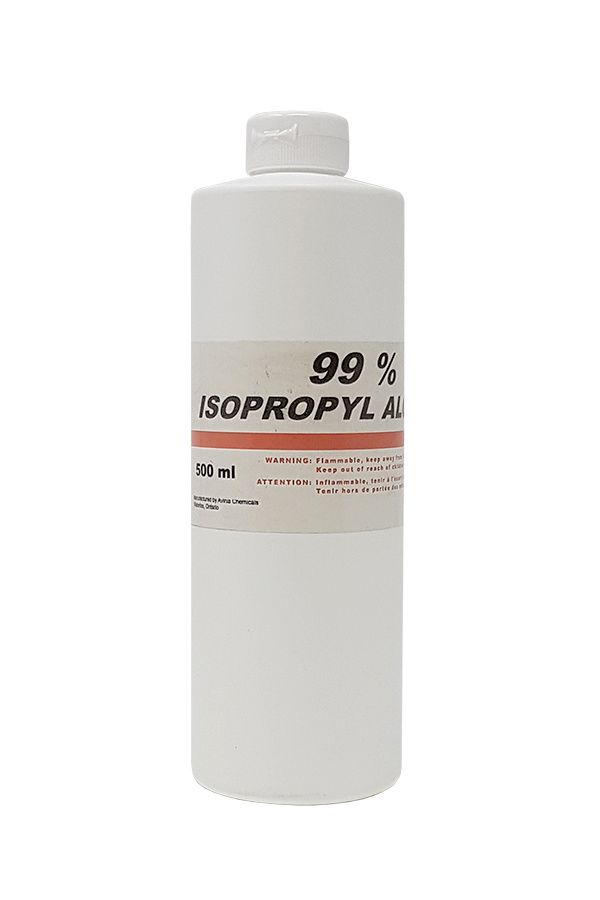
- Isopropyl alcohol, 91% or stronger. It dissolves oily residue and evaporates without leaving a film.
- Coarse salt, which acts as a scrubber in places a brush can't reach.
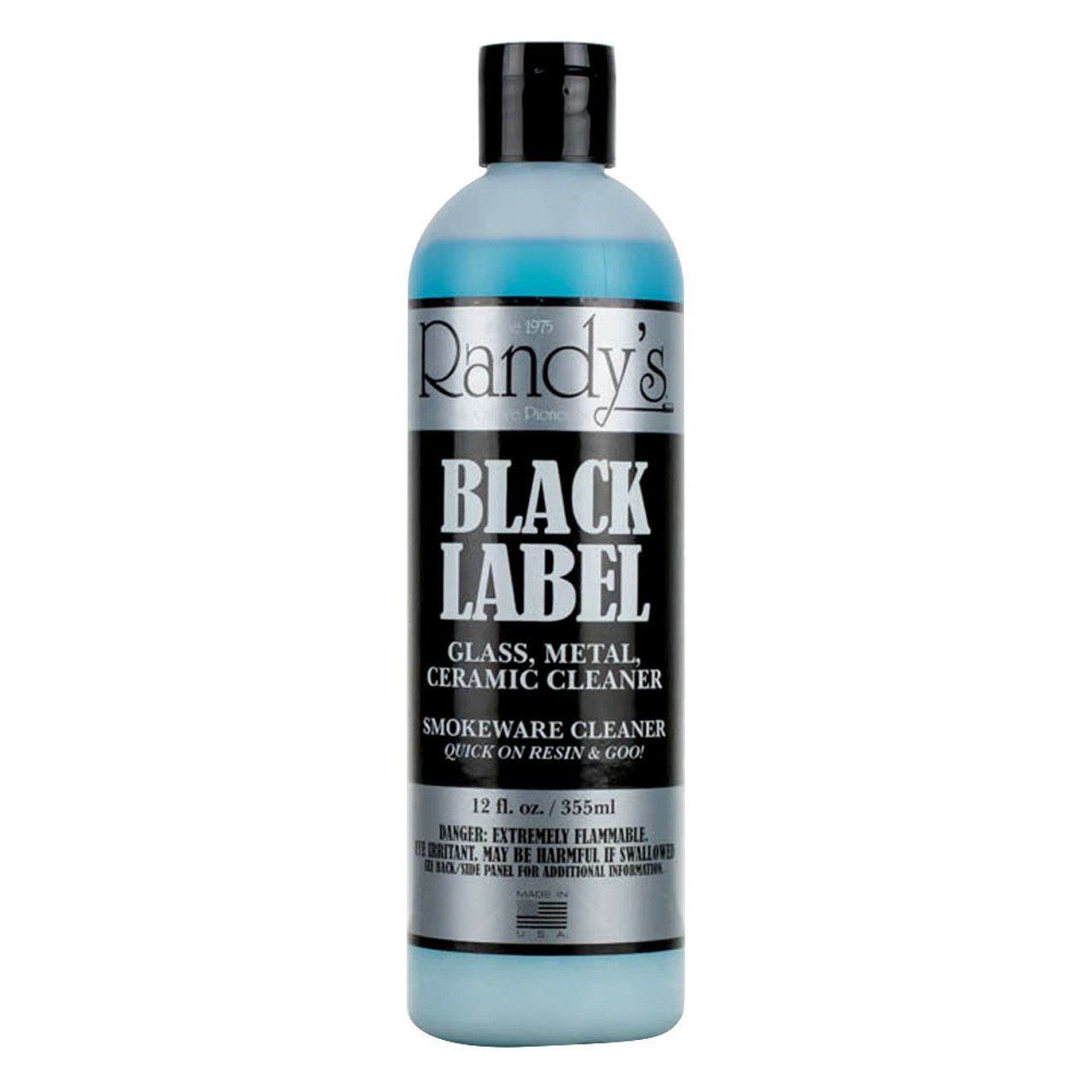
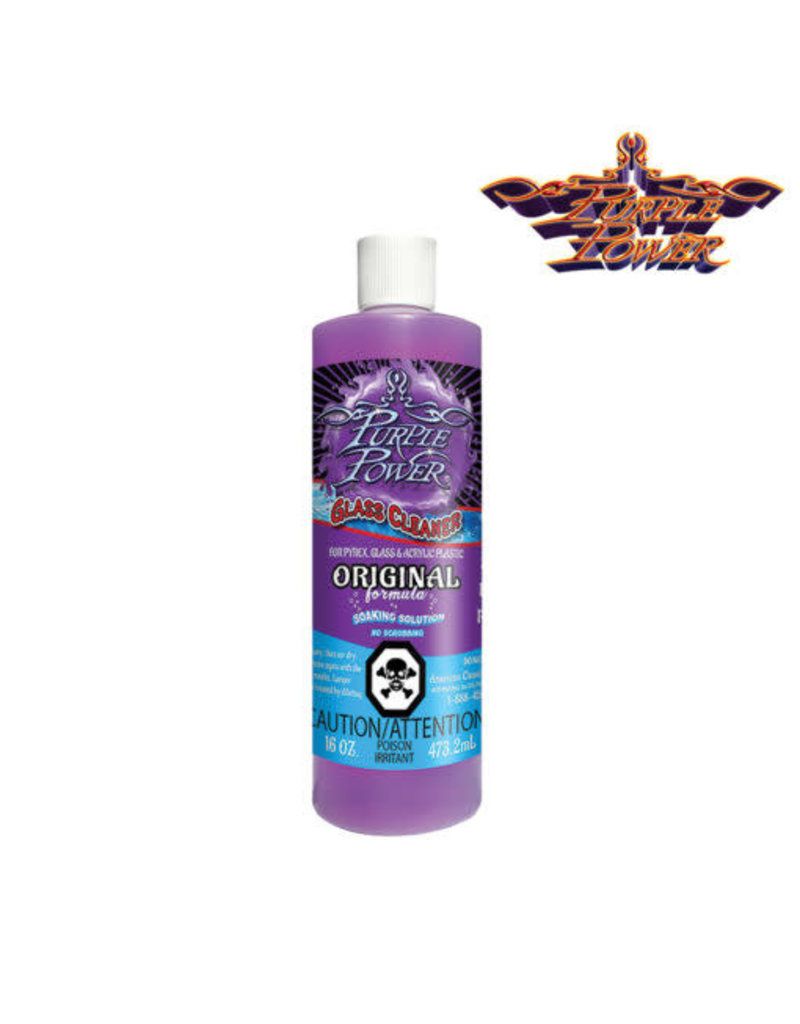
- A purpose-made glass cleaner, if you'd rather skip the mixing. Some work in seconds, and others are soak solutions that want most of an hour.
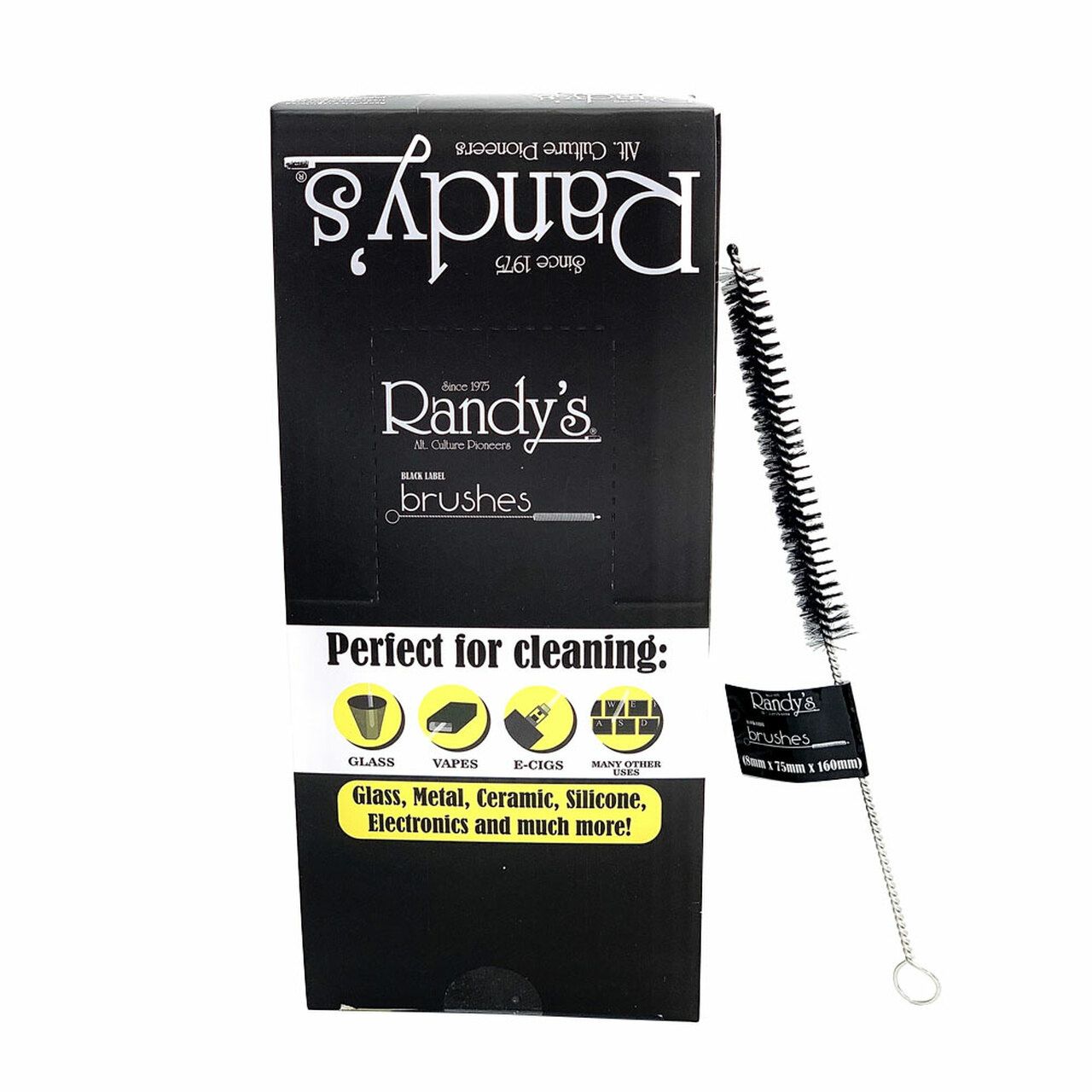
- Brushes sized for the narrow parts.
- Plugs or caps for the openings, and a towel to work over.
The basic method
- Take the piece apart. Clean removable parts separately.
- Rinse with warm water to clear loose debris.
- Add alcohol and a spoonful of salt, or the cleaner, following its label.
- Cover the openings and shake gently, holding the piece with both hands over a towel.
- For heavy buildup, let it soak and come back later instead of shaking harder.
- Rinse thoroughly with warm water until no smell of cleaner is left.
- Let it air dry completely before it goes back on the shelf.
Temperature is where glass breaks
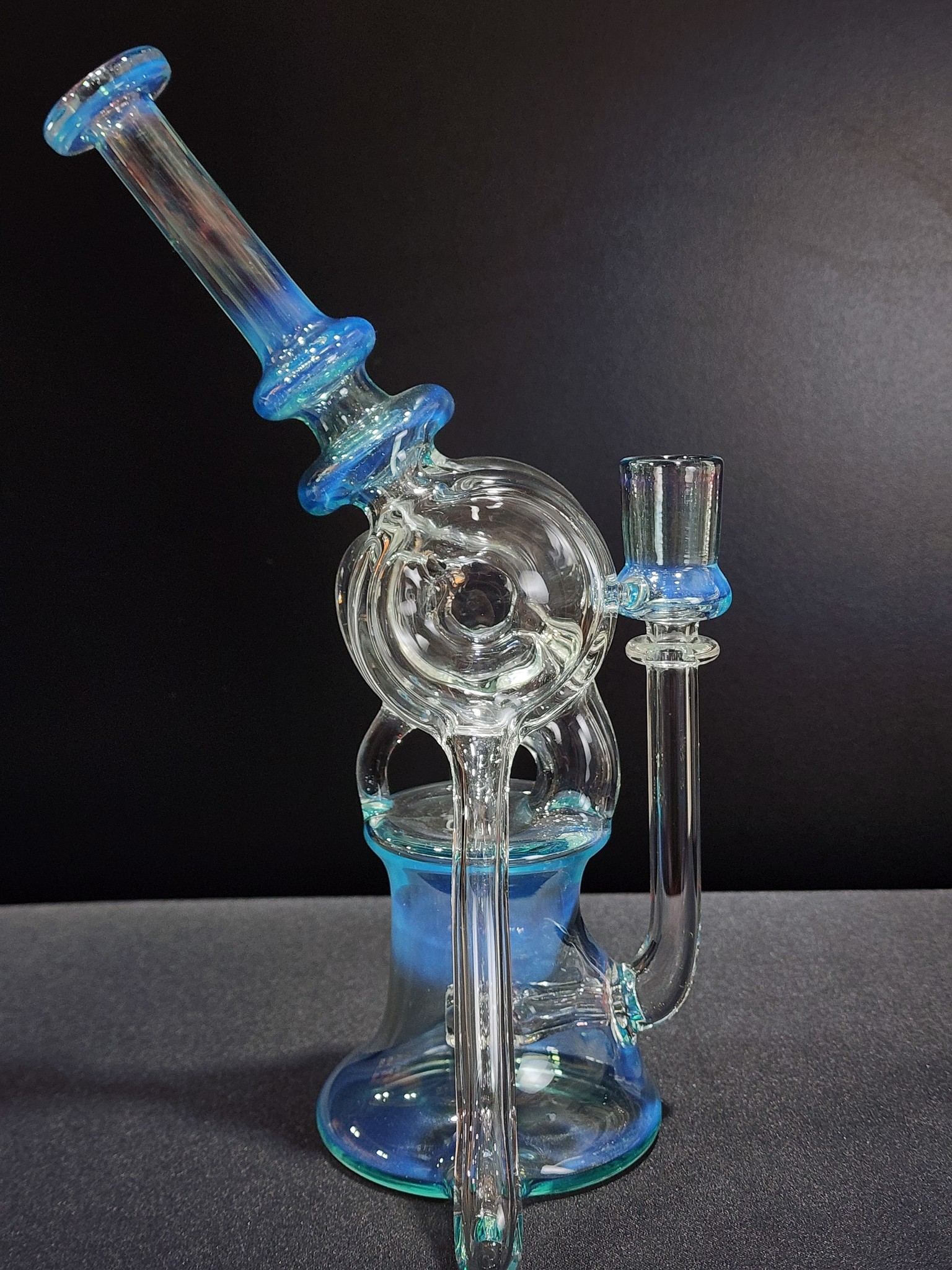
Borosilicate handles heat changes better than ordinary glass. A sudden swing can still crack it, and the thick, worked sections around joints are the most likely place.
- Never pour boiling water into cold glass.
- Never rinse warm glass with cold water.
- In winter, let a piece that has been in a cold room or a delivery box come up to room temperature before you wash it.
Hard-water film
A white haze that alcohol won't shift is mineral scale from tap water, not residue. A soak in white vinegar or a citric acid solution dissolves it. Rinse well afterwards.
Standing water is what causes it. Empty a piece, rinse it and let it dry instead of leaving water sitting in it.
Things that cause damage
- Forcing a stuck joint. Run warm water over it and twist gently. Patience is cheaper than a new piece.
- Metal tools inside the glass. They scratch, and scratches are where cracks start.
- Alcohol on acrylic. It can craze and cloud the plastic. Use a cleaner whose label says it is safe for acrylic.
- Mixing cleaners. Use one product at a time and rinse between them.
- Abrasive pads on decorated, sandblasted or fumed surfaces.
Handle cleaners with care
Isopropyl alcohol and many glass cleaners are flammable. Use them in a ventilated space, away from flames and sparks, and keep them out of reach of children.
Read the label on anything you buy, and follow it over this guide where the two differ.
Cleaning supplies
Storage
A padded case or a shelf with a lip prevents most accidents.
A rubber mat under a piece stops it sliding and softens the set-down on a hard counter. Moodmats are made from upcycled rubber for exactly that.
Browse all cleaners to see what's in stock.
General information about product care. The Smoke Hut sells to adults of legal age in their province.