Butane Torch Care: Purging, Refilling and Storing It Properly
A torch that sputters or won't light usually needs a purge and a proper fill, not a replacement.
Shop torches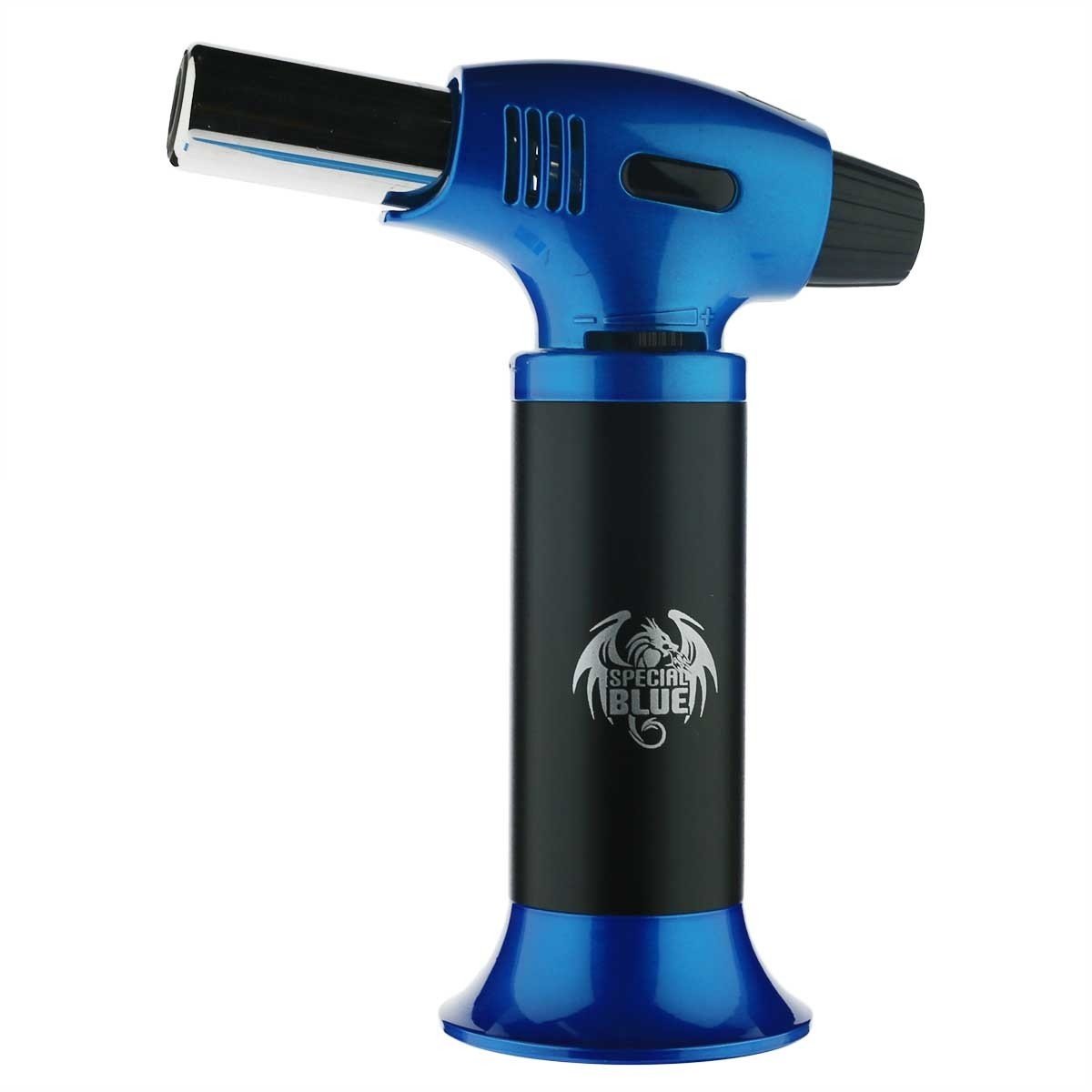
A butane torch is a simple tool: a fuel tank, a valve, a jet and a spark. Most of the ones that get written off as broken are just badly filled.
This guide covers the routine that keeps one working, whether it lives in a kitchen drawer or a toolbox: purging, refilling, setting the flame and storing it.
Your torch's own manual wins any disagreement with this page.
Know the parts
- Nozzle: where the flame forms. Brass or stainless steel on better torches.
- Ignition: usually piezo, a spring-loaded crystal that makes a spark when you press the trigger. No battery, no flint.
- Flame adjuster: a dial or slider, normally marked with plus and minus, that sets how much gas reaches the jet.
- Fill valve: on the underside of the tank. Fuel goes in here, and trapped air comes out here.
- Safety lock: stops the trigger being pressed by accident. Use it.
Purge before you refill
Every refill pushes a little air into the tank along with the fuel. Air takes up room that butane should have, and a tank with an air pocket gives you a weak, sputtering flame or no flame at all.
Purging lets that air out before you add fuel:
- Work outdoors or in a well-ventilated space, well away from flames, sparks and pilot lights.
- Make sure the torch is off, cool and locked.
- Turn the torch upside down so the fill valve points up.
- Press the valve pin with a small screwdriver until the hissing stops.
- Keep the valve pointed away from your face and hands. Escaping butane is cold enough to hurt skin.
Refilling
- Turn the flame adjuster to its lowest setting.
- Keep the torch upside down, and hold the butane can upside down above it.
- Fit the can's nozzle straight into the fill valve and press down firmly for a few seconds at a time.
- Stop when fuel starts to spit back from the valve. That means the tank is full.
- Wait a few minutes before lighting. The fuel needs to come up to room temperature, and any butane on the outside of the torch needs to evaporate.
Fuel quality matters more than most people expect. Highly refined butane leaves less residue in the jet, and a clogged jet is a common reason a torch dies early.
Setting the flame
Start low and bring the flame up slowly. A steady blue flame with a defined point is what you want.
A flame that roars, lifts away from the nozzle or blows itself out has too much gas behind it. A yellow, lazy flame usually points to low fuel, trapped air or a dirty jet.
When it won't light
- Hiss but no flame: the adjuster is set too high or too low. Reset it to the middle and try again.
- No hiss: the tank is empty, or the torch is too cold.
- Sputtering: trapped air. Purge and refill.
- Weak or missing spark: check that the nozzle is clear of dust and debris.
Cold is worth a mention in this country. Butane boils at about the freezing point of water, so a torch left in a vehicle overnight in January has almost no pressure until it warms up indoors.
Let it warm on its own. Never heat a torch or a fuel can to speed things along.
Storage and safety
- Lock the torch and let it cool before putting it away.
- Store torches and fuel cans away from heat and direct sun, and follow the temperature limit printed on the can.
- Keep both out of reach of children.
- Never refill near an open flame, and never while the torch is warm.
- Check airline and security rules before travelling with a torch. Many don't allow them at all.
From the shelf
Refillable torches
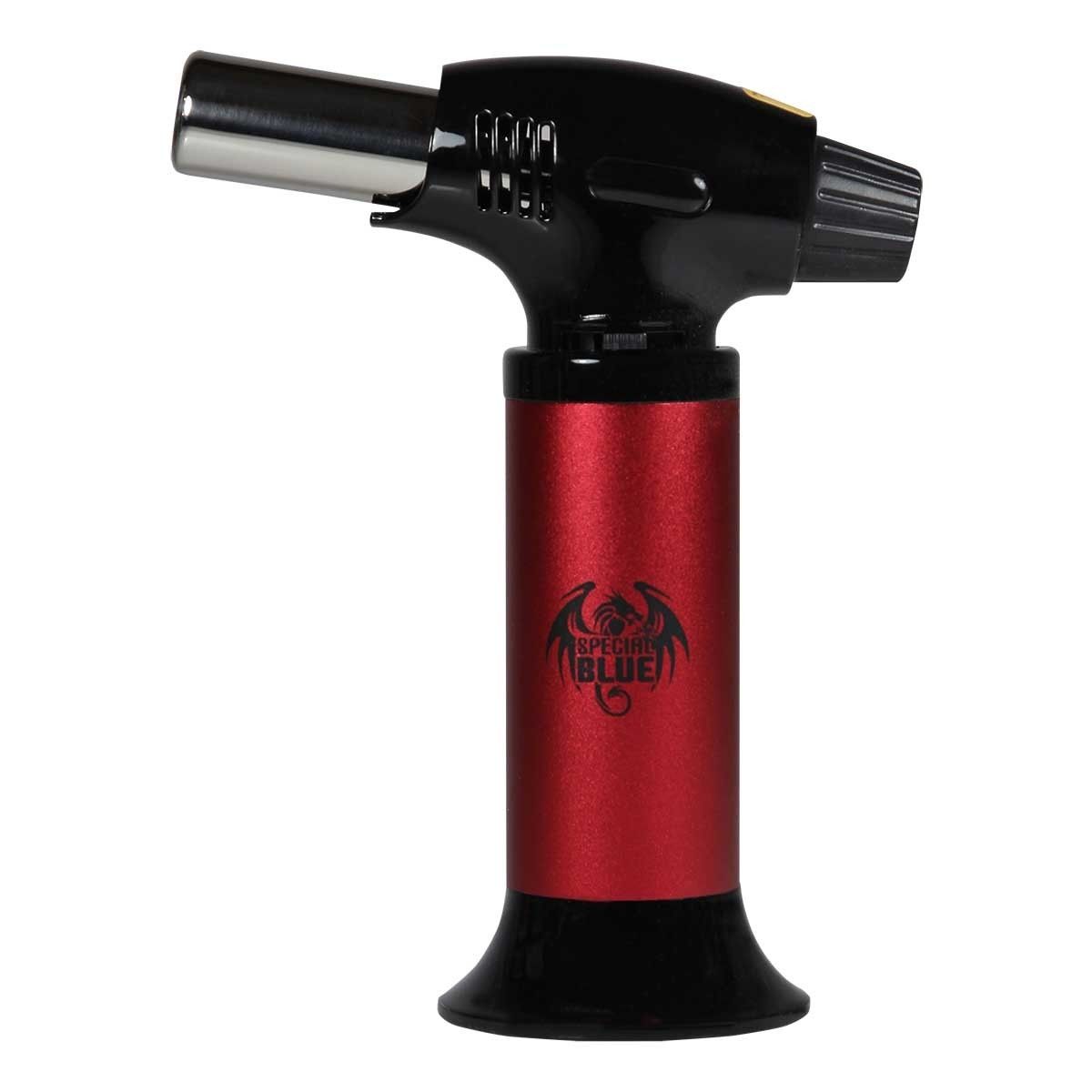
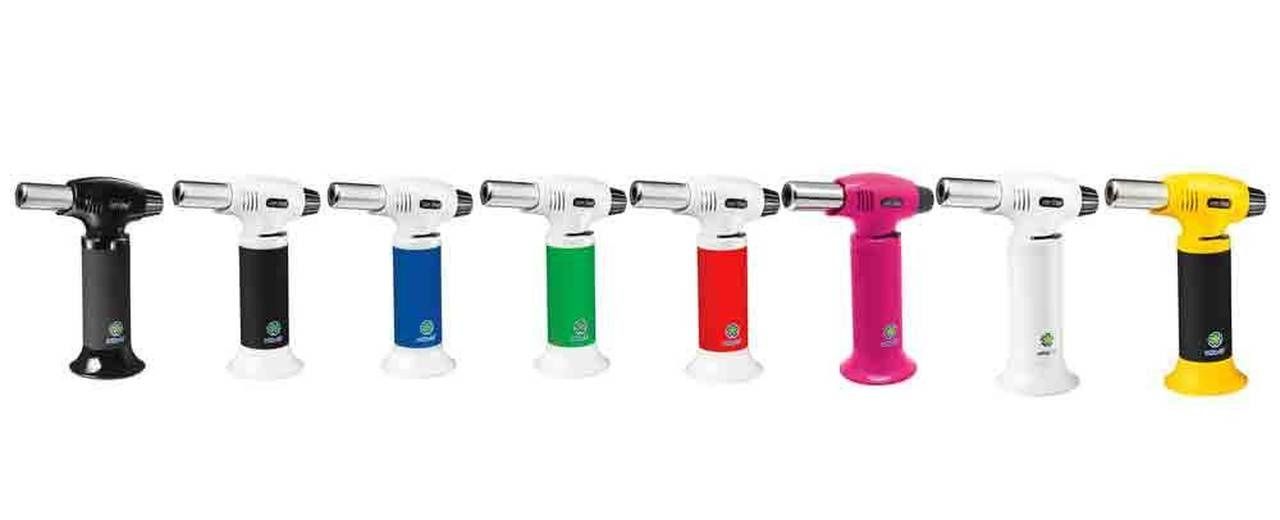
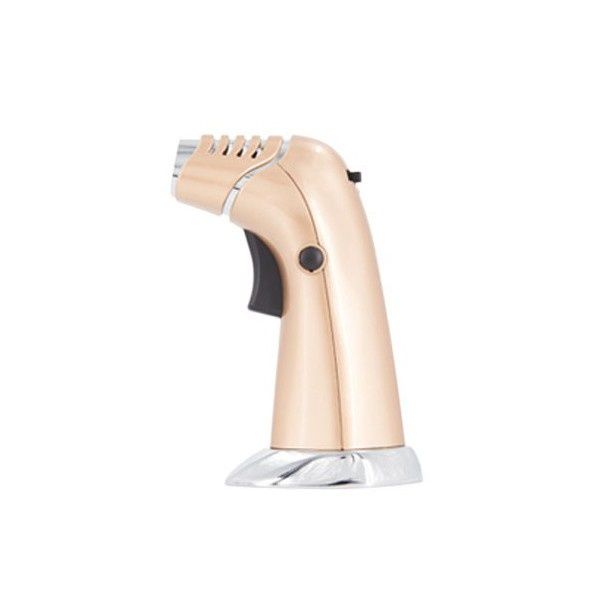
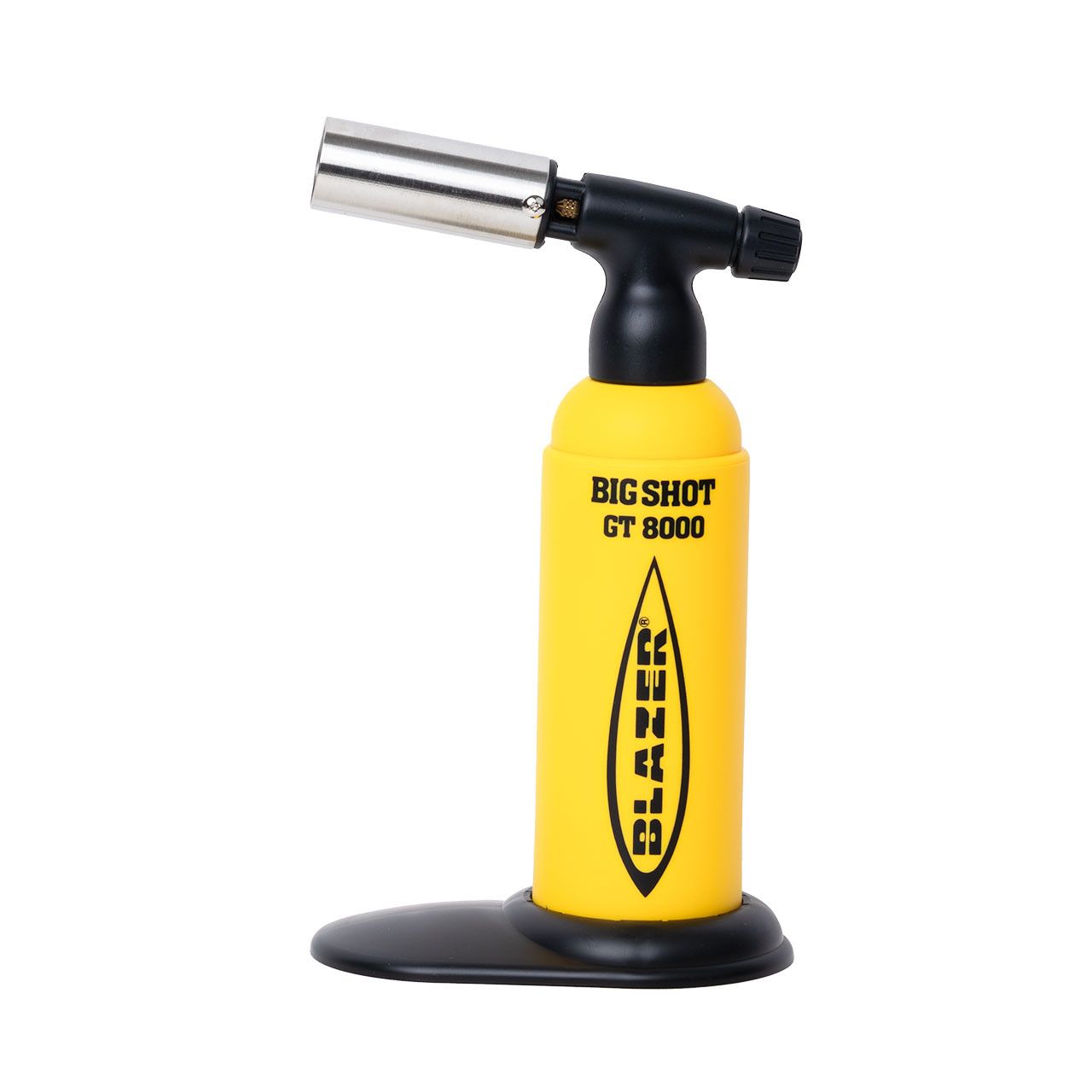
Torches often ship empty. Check the product listing to see whether fuel is included, then browse all torches.
General information about product care. The Smoke Hut sells to adults of legal age in their province.